How Rising Gas Prices Are Changing What Homeowners Really Pay Each Month
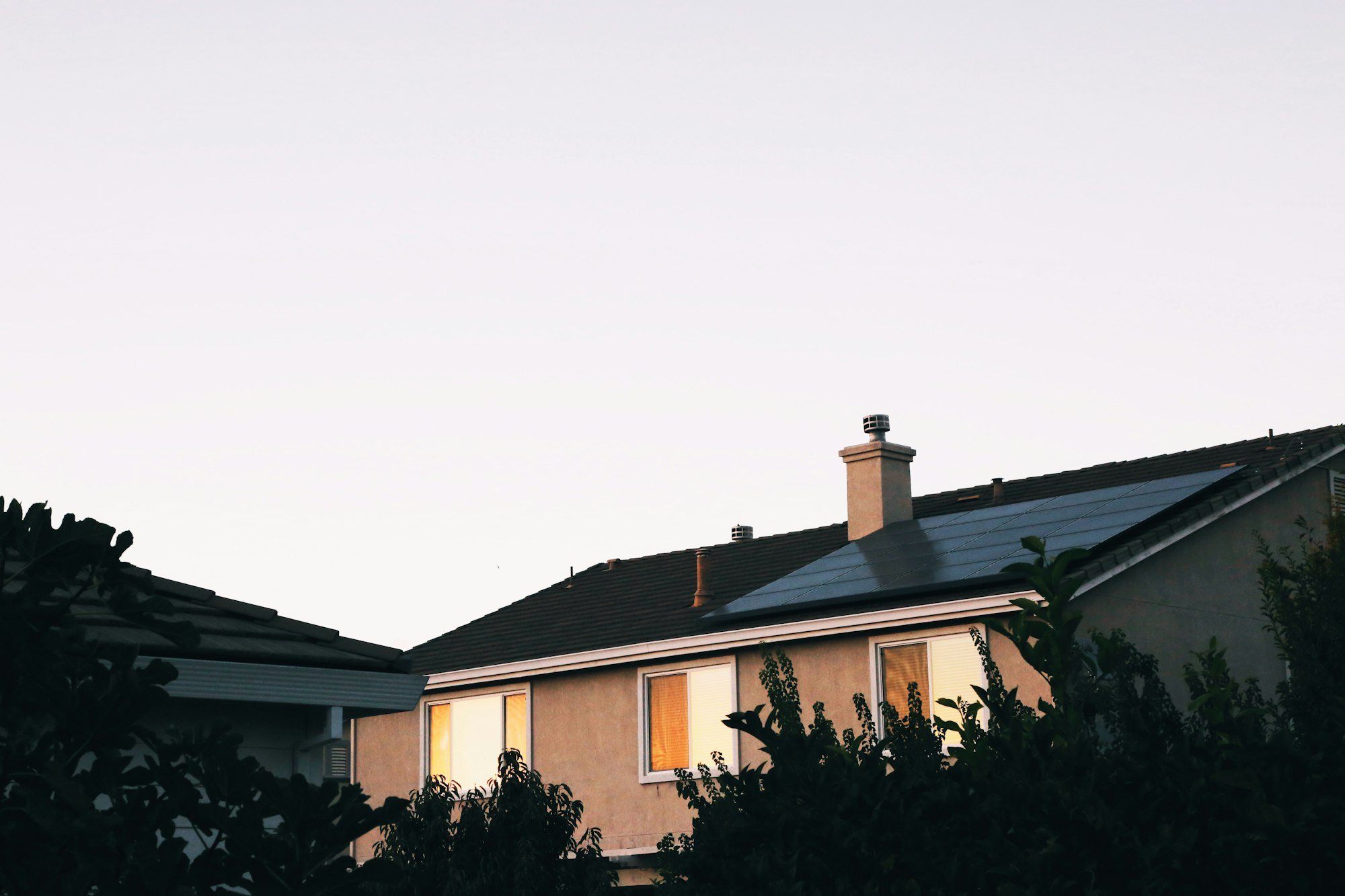
Photo by Giorgio Trovato
You did the math when you bought your home. Mortgage, taxes, insurance — you knew what you were getting into. What nobody planned for was watching the gas bill climb month after month until it started feeling like a second mortgage payment.
For homeowners across the country, rising natural gas prices have quietly become one of the most disruptive costs of homeownership. And if you're thinking about buying or selling in the current market, it's a factor that deserves a lot more attention than it usually gets.
What's Actually Happening With Gas Prices
Natural gas prices have surged over 100% in the past five years. The average American household is now spending somewhere between $80 and $200 per month on gas depending on the season, location, and how old or efficient their home is. In colder months, that number can push even higher — heating bills this past winter jumped sharply as temperatures dropped and energy demand spiked.
The reasons behind the increases are layered. Global energy demand is up. Natural gas exports have increased, which tightens domestic supply. And utilities are spending heavily on aging infrastructure upgrades, passing those costs along to consumers. The EIA projects that residential natural gas costs will continue to feel pressure into 2027, with only modest relief in the near term.
For homeowners on a fixed budget, this isn't a minor inconvenience. It's a significant monthly expense that's eating into discretionary income and, in some cases, making homes harder to afford even for people who've already closed on them.
What This Means If You're Selling Your Home
Here's something sellers often overlook: energy costs are now a genuine part of how buyers evaluate a home. According to research, energy-efficient features like updated insulation, newer HVAC systems, and efficient windows are among the top environmental factors buyers consider during their search. Homes that demonstrate lower utility costs have a competitive edge.
If your home runs on natural gas for heating, hot water, or appliances, buyers are going to ask questions — or at minimum, they're going to check the utility history. A home with a well-maintained, efficient gas furnace in good condition is a selling point. An older system with high monthly bills is a flag.
Before listing, it's worth having a conversation about what your energy costs have looked like over the past year and whether there are simple improvements — a furnace tune-up, better attic insulation, a programmable thermostat — that could strengthen your position with buyers. Small investments here can meaningfully change how a buyer perceives the total cost of owning your home.
What This Means If You're Buying
When you're calculating what a home costs you each month, the utility bills belong in that math. A house with a $1,800 mortgage might cost you $300 more a month in heating during the winter months than a comparable home with updated efficiency. Over the course of a year, that's real money.
Before you make an offer, ask for at least 12 months of utility bills. Look at whether the home has a gas furnace or heat pump, how old the system is, and what the insulation situation looks like. If the home uses natural gas for heating, hot water, and cooking, you're looking at potentially several hundred dollars a month in the colder half of the year.
It's also worth thinking about the longer-term trajectory. With gas prices forecast to remain elevated — and potentially climb further in 2027 — buying a home with low energy costs or one that could realistically be upgraded for efficiency gives you more control over your monthly expenses down the road.
The Bigger Picture for the Housing Market
Rising energy costs are beginning to shape where and what people want to buy. There's a growing preference for homes closer to urban centers to reduce commuting costs, and a premium being placed on energy-efficient construction. New builds that tout tight building envelopes, high-efficiency HVAC systems, and smart thermostats are finding receptive buyers who've been burned by high utility bills in older homes.
For existing homeowners, this is also changing the calculus around renovations. Upgrades that improve energy efficiency — new windows, insulation, a heat pump water heater, a high-efficiency gas furnace — are delivering returns both in monthly savings and in resale value. Buyers increasingly recognize these improvements and factor them into what they're willing to pay.
None of this means that gas costs should stop you from buying or selling. It means you need to go in with clear eyes about what a home actually costs to operate, not just to own on paper.
Right Bob Realty Can Help You Navigate It
At Right Bob Realty, we help buyers and sellers understand the full picture — including what energy costs look like in the homes they're considering and how to position a property competitively in today's market.
Whether you're trying to figure out what your home is worth right now, preparing to buy in a market where monthly costs matter more than ever, or just trying to understand how rising energy prices fit into your real estate decisions, we're here to walk you through it.
Reach out to Right Bob Realty today and let's have a real conversation about what your next move looks like.